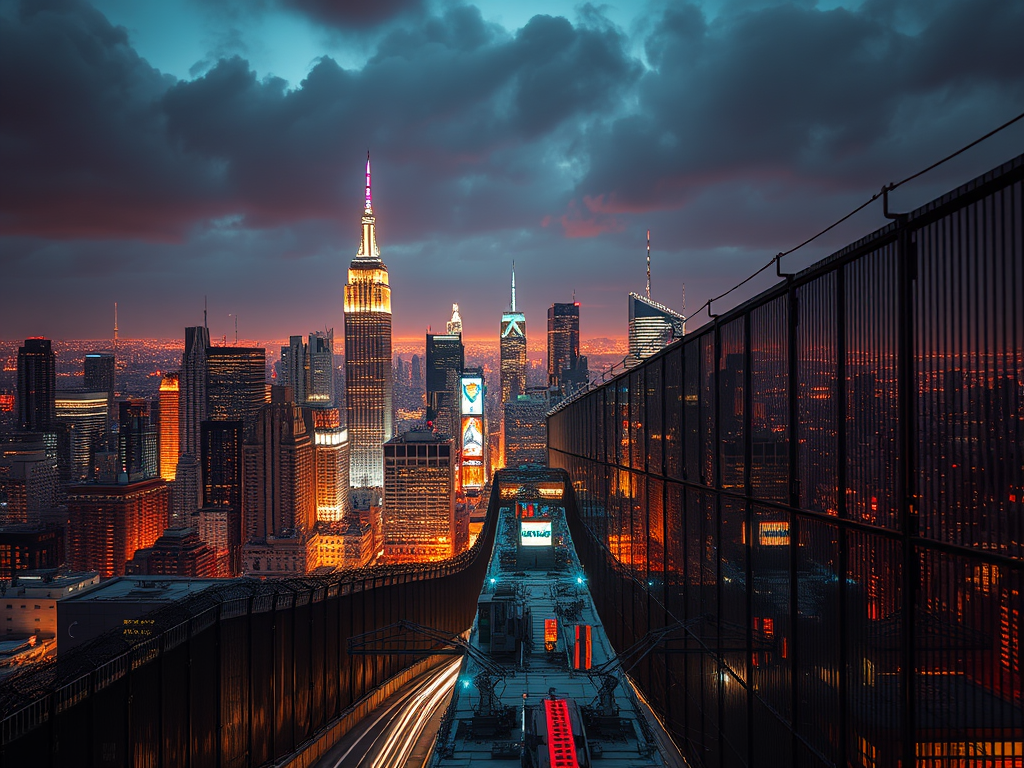
This decade is deeply, fundamentally uncanny. We began with a global pandemic, moved immediately into the algorithmic rewriting of civilization via AI, and are now watching geopolitics tilt toward a breaking point.
Historians often use the concept of the “Short 20th Century,” arguing that the “real” 20th century only truly existed between 1914 and 1991. Before that was the “Long 19th Century”; after it, we supposedly entered the “End of History.”
I think we need a similar re-classification for our own era.
The First 21st Century (1990–2020)
There is a temptation to look back at the relative peace and prosperity of the 1990–2020 era and dismiss it as a mirage. But it wasn’t a mirage. It was a tangible era of digital optimism. We built Wikipedia; we witnessed the rapid development of the Global South; we actually patched the hole in the ozone layer. For those of us who grew up in the 90s, it felt like the 21st century had already arrived. The celebration of the year 2000 was just a footnote to a fait accompli.
That thirty-year window was The First 21st Century. It was defined by the “Global Village”—a world where connectivity was the ultimate virtue and borders were meant to be porous.
The Interregnum and the Second 21st Century
Then came 2020.
If the First 21st Century was about opening up, the current decade (2020–2030) seems obsessed with closing down. We are watching the world build borders again—physical, digital, and ideological. It is a decade many of us will want to forget as soon as possible: a period of high-speed friction and “weird” history.
But if 1990–2020 was the First 21st Century, then what comes next?
We are currently in the transition. I hope the Second 21st Century—whatever starts on the other side of this chaotic decade—isn’t just a retreat into the past. My hope is that it will be a return to that original promise: a version of peace and prosperity that is supported by technology, rather than disrupted by it. We’ve spent the last few years learning how fragile the “Global Village” was; perhaps the Second 21st Century will be about building one that can actually survive the wind.


Leave a Reply